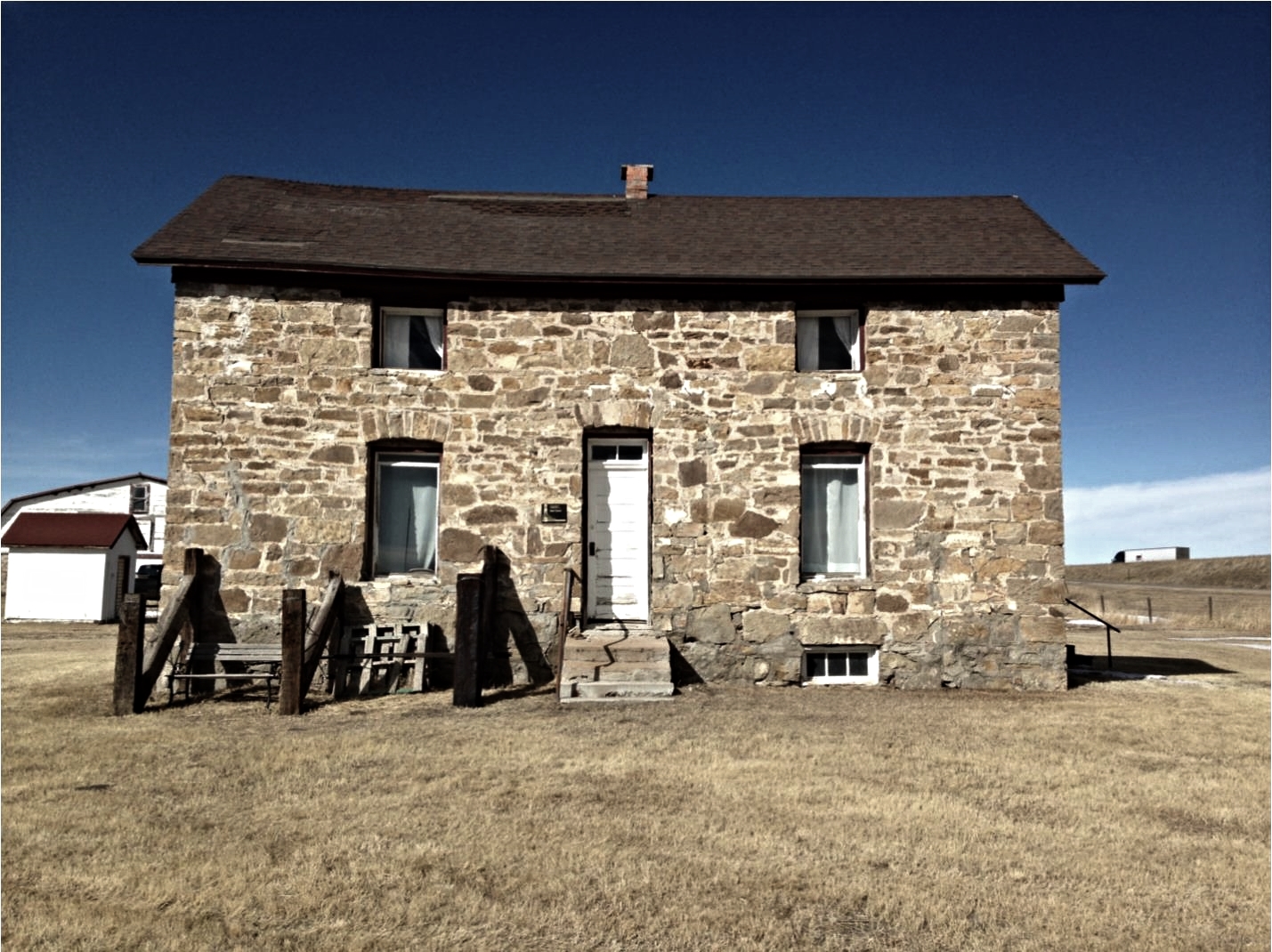
The Kuster Hotel in Laramie is not named for infamous General George Custer who was very active in the west during the mid to late-19th century. The Kuster Hotel was actually named for a German family that was one of the first to settle Laramie in the 1860s. Built in 1869, the hotel was the first stone building built in the town.
Oftentimes in historic preservation, there are conflicts that arise between industrial development and historic places and spaces. In this piece, AHW volunteer Kathrine Kasckow shares her personal account of how the National Environmental Policy Act and the National Historic Preservation Act helped preserve an important historic landscape on public lands.
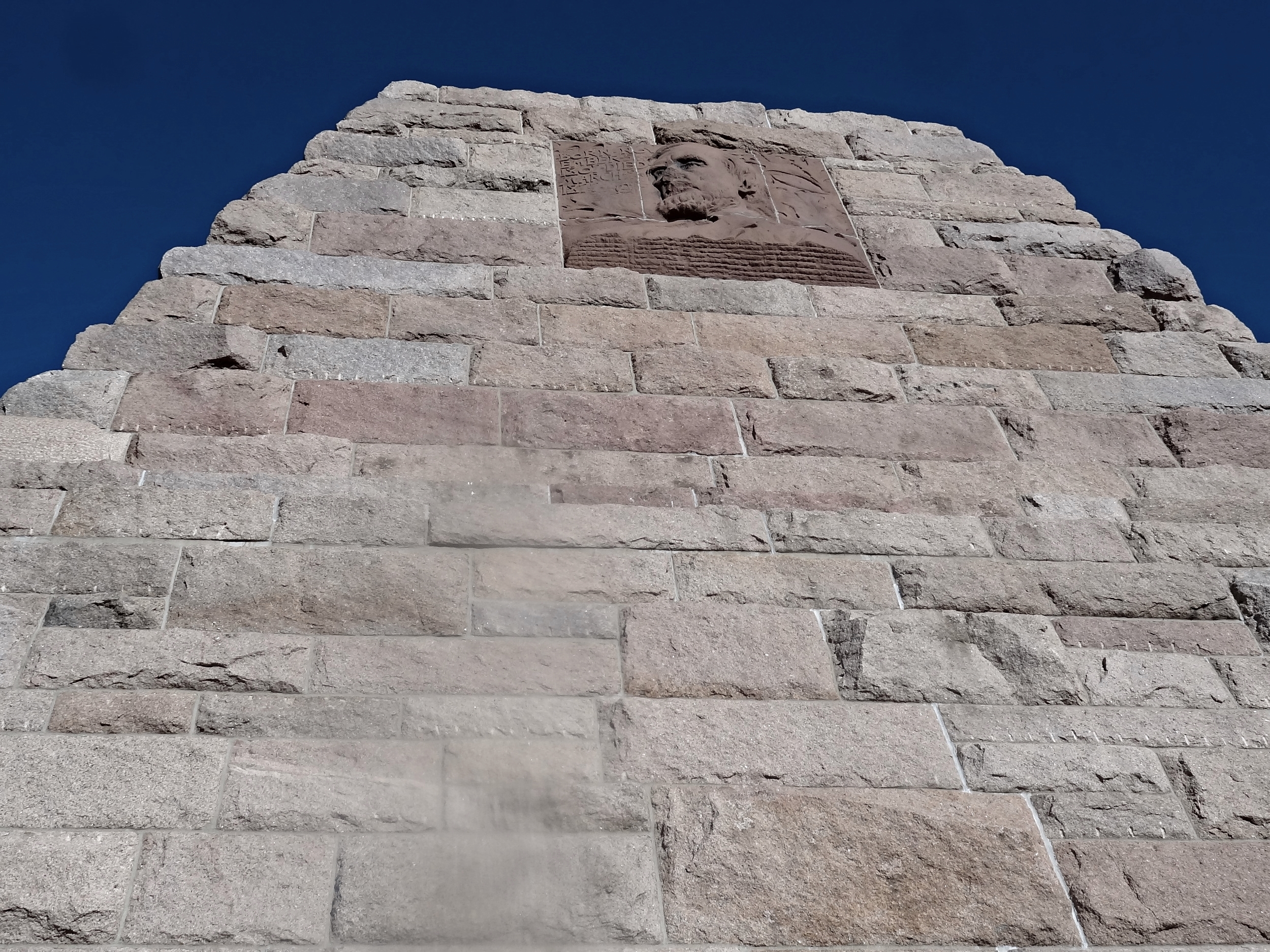
Most of us have at least heard of the Ames Monument. But how many of us have actually gone out to see it? AHW volunteer Katherine Kasckow tells the story of her first time visiting the pyramid on the plains.
St. Joseph’s began in 1930 as an orphanage. Since then, it has been converted to a psychiatric residence facility for kids from around the state. St. Joseph’s uses its history in the area to enhance their practices by preserving and reusing historic facilities in their day to day operations.
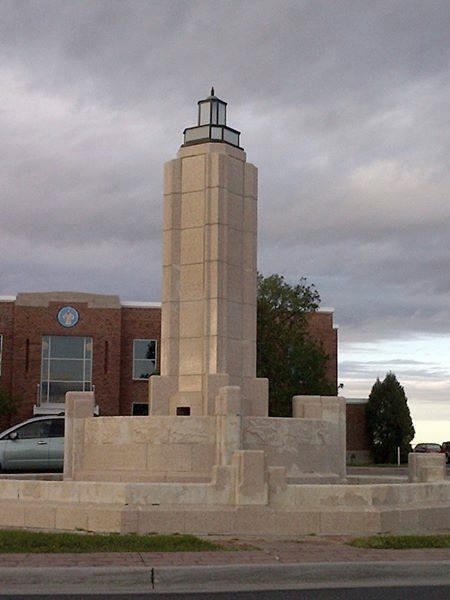
The grand art deco fountain that rises in front of Cheyenne’s municipal airport honored early aviation history when it was built in the 1930s. Today, it not only continues to honor that early history, but also memorializes every year of aviation in Wyoming ever since it was built. The group Cheyenne Historic Preservation is actively working to restore the fountain to allow it to continue to embody the aviation spirit of Cheyenne for many more decades.
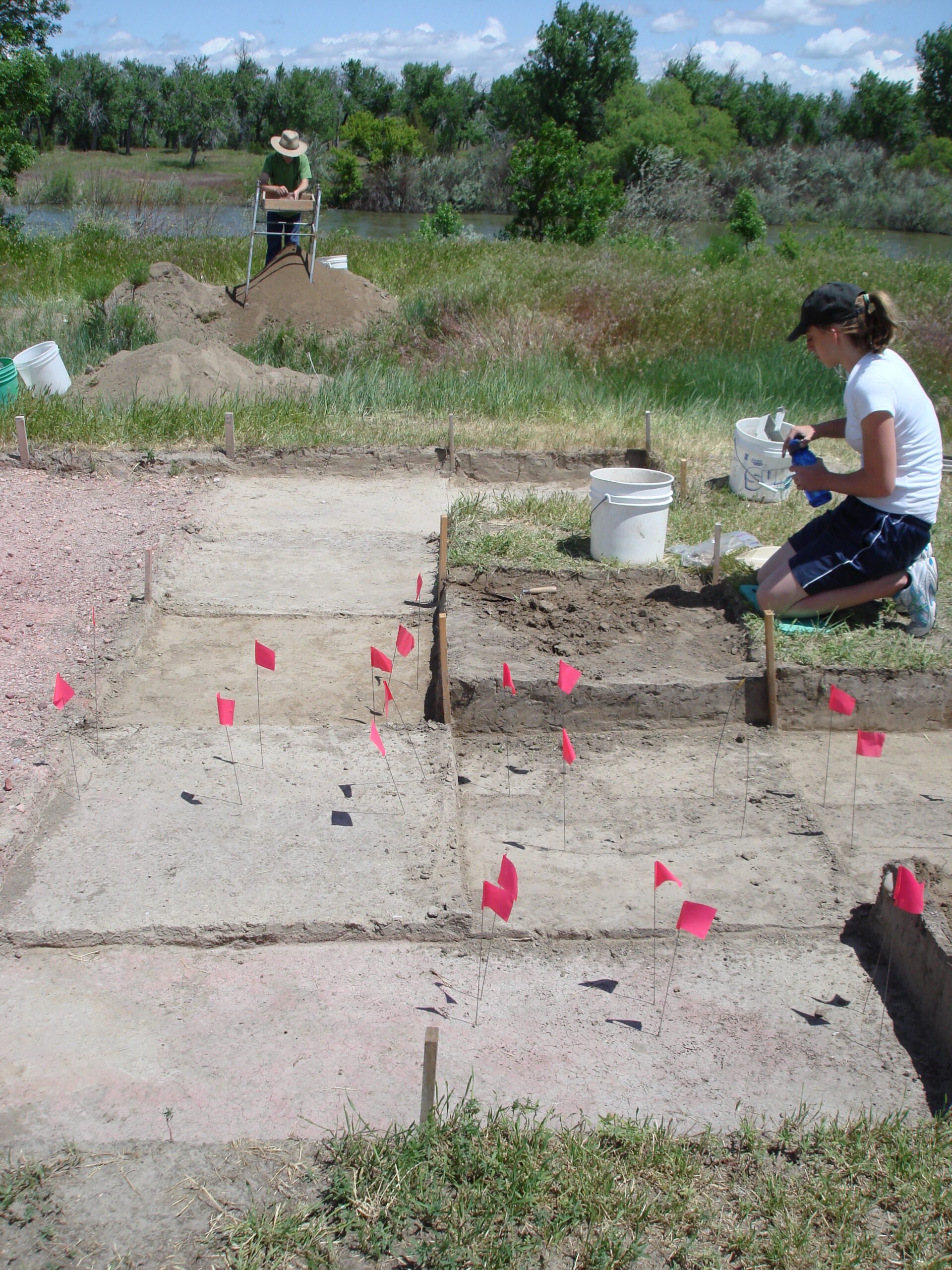
Fort Bernard was founded in 1845 outside of Fort Laramie, and was the site of a major conflict between settlers, the military, and the Lakota Sioux. The Western History Center is excavating the site and is looking for help building a fence and controlling weeds.
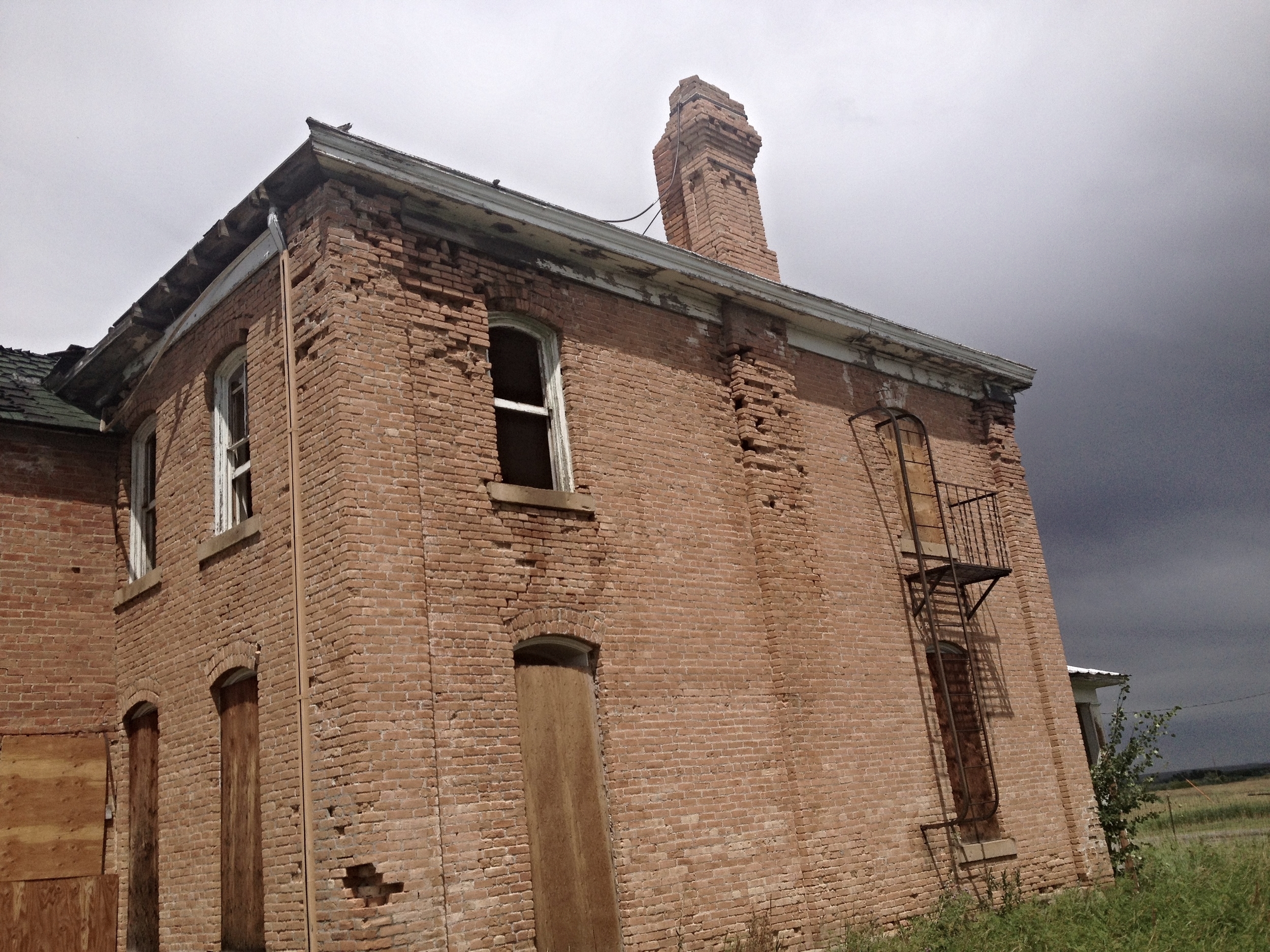
Sadly, the Shoshone Episcopal Mission School burned down March 24th. The school building is rooted in the history of Wyoming, the west, and the United States. Read more about it here.
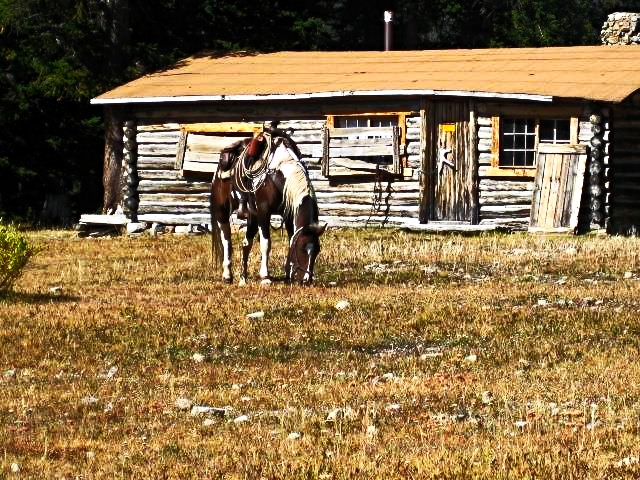
The cabins at Simpson Lake can only be reached by horseback. Their remoteness is only one contributing factor to Simpson Lake Lodge’s charm.
Henry Bath immigrated with his family to the United States from Germany in 1848. After twenty years in New York, Henry’s parents decided to follow the brand new Union Pacific railroad to Laramie.
Clay Paper Scissors Gallery and Studio owners Mark Vinich and Camellia El-Antably turned a falling down 19th century building in downtown Cheyenne into a beautiful art gallery. Here we celebrate their preservation success story.