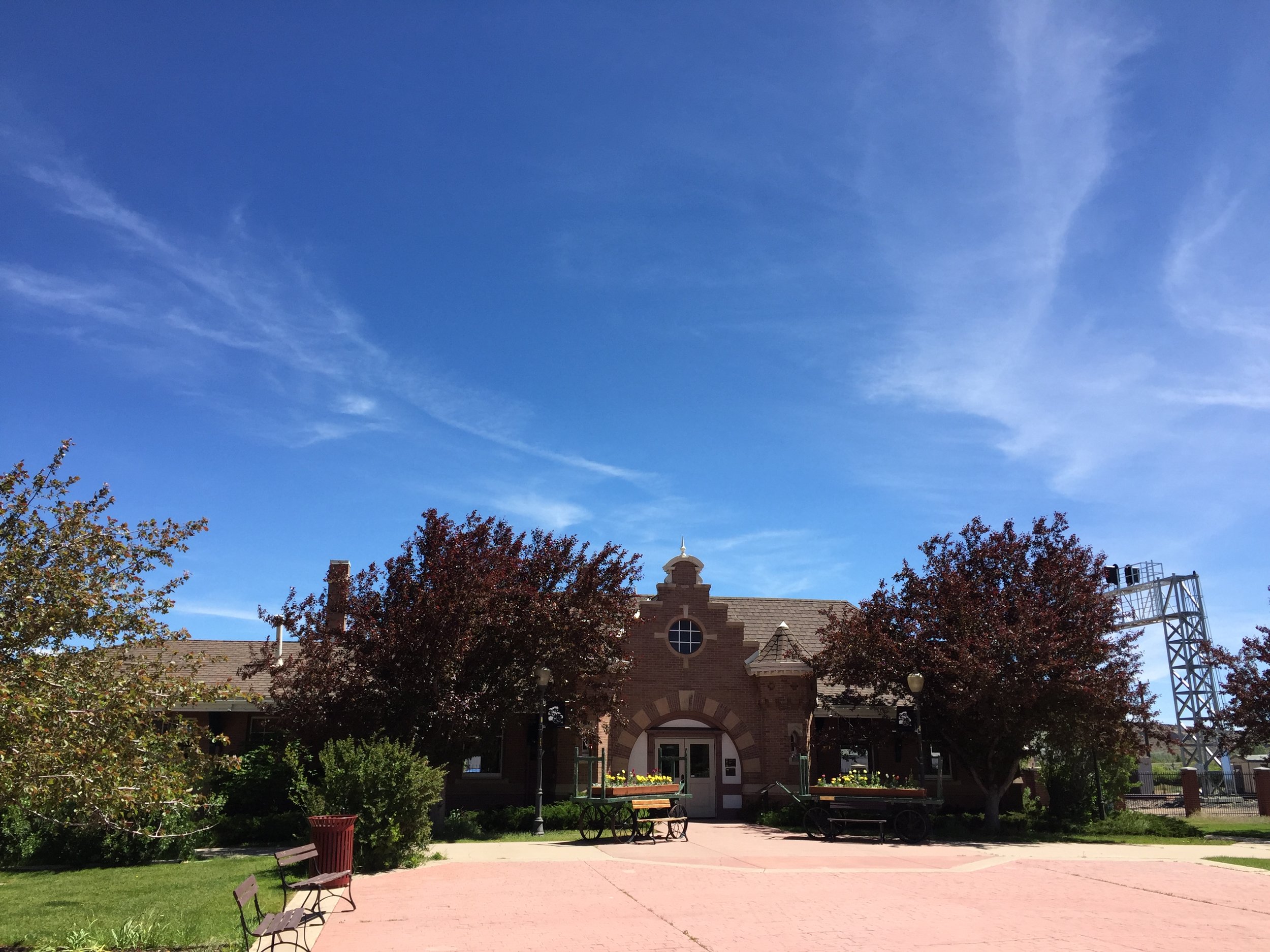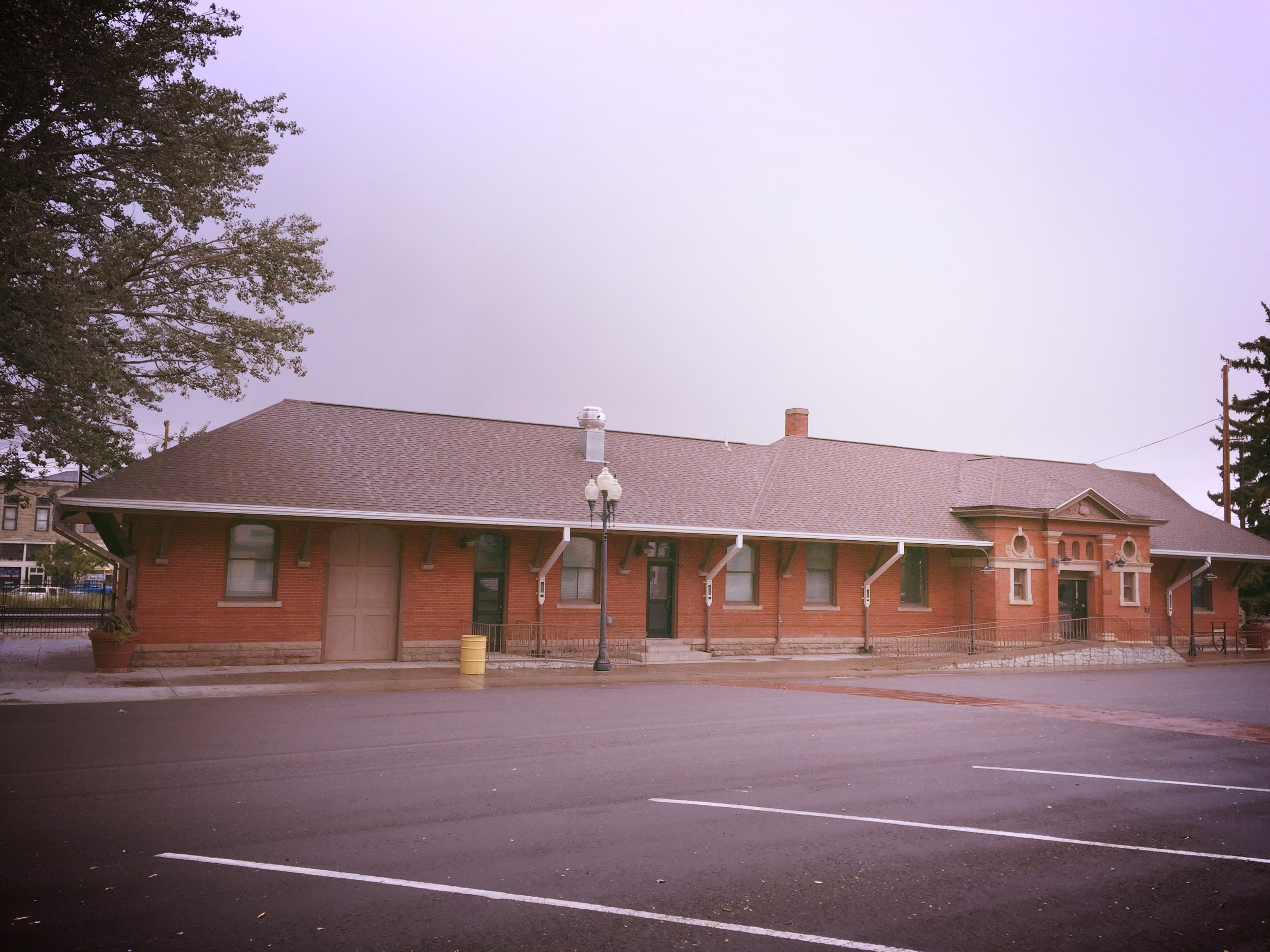
Evanston’s Union Pacific Depot was built in 1900 thanks to the steady flow of passenger train traffic across Wyoming and the rest of the west.
While the Alliance for Historic Wyoming name will be kept, Tracks Across Wyoming’s identity will live on as a new AHW preservation initiative that will feature a series of transportation-themed stories and other programs. Because Tracks served as the Wyoming chapter of the Lincoln Highway Association, the Alliance for Historic Wyoming will now take on that role.
The Crookston Ranch was homesteaded by Joe Crookston around 1887 at the ever-shifting foot of the Killpecker Sand Dune Field. His family had moved to Rock Springs area from Illinois around 1870 and he had worked as a laborer as a teenager
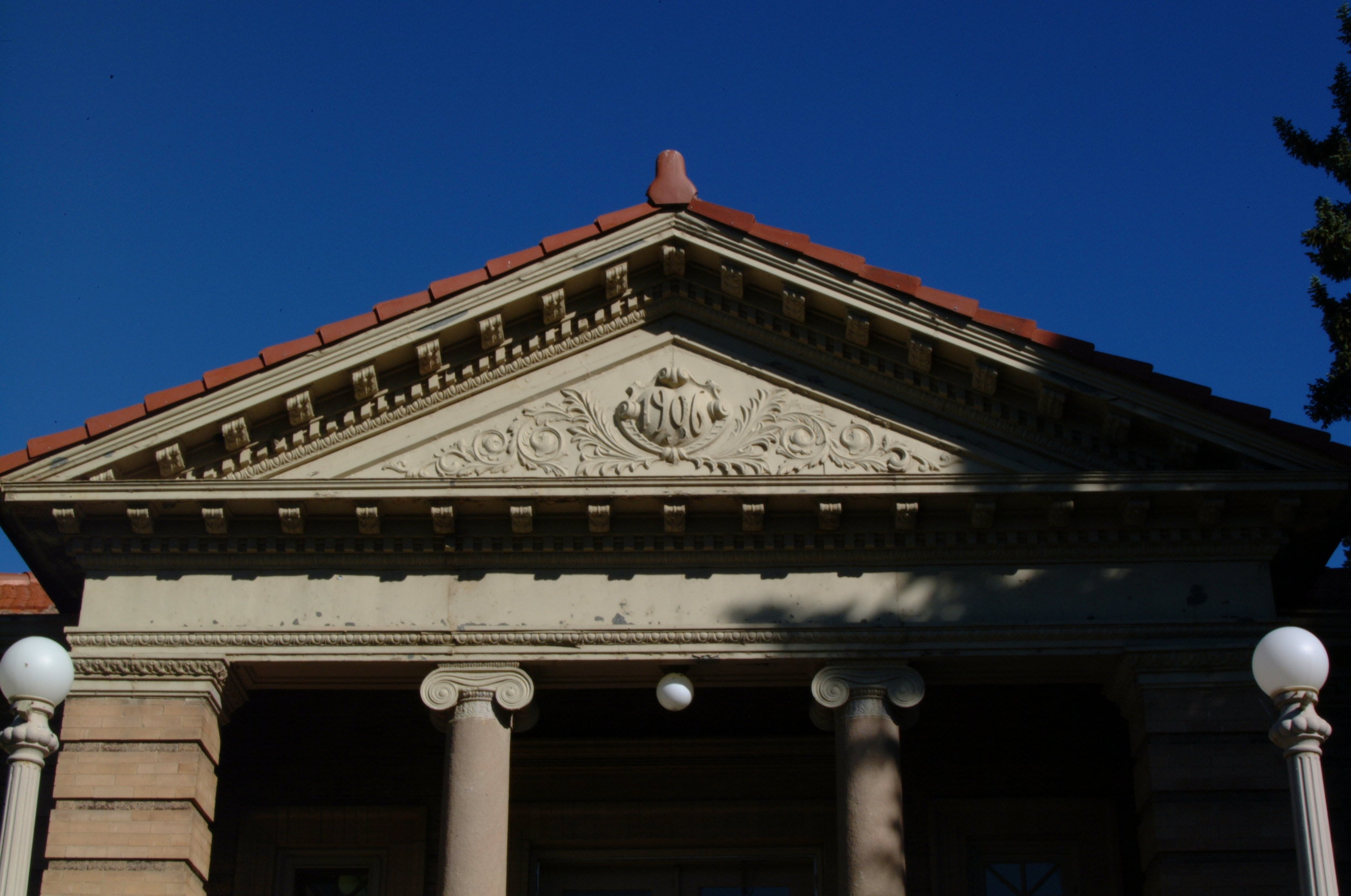
Noted Wyoming architect William Dubois designed the building, and the library was dedicated on Independence Day in 1907, with 500 citizens attending the ceremonies.
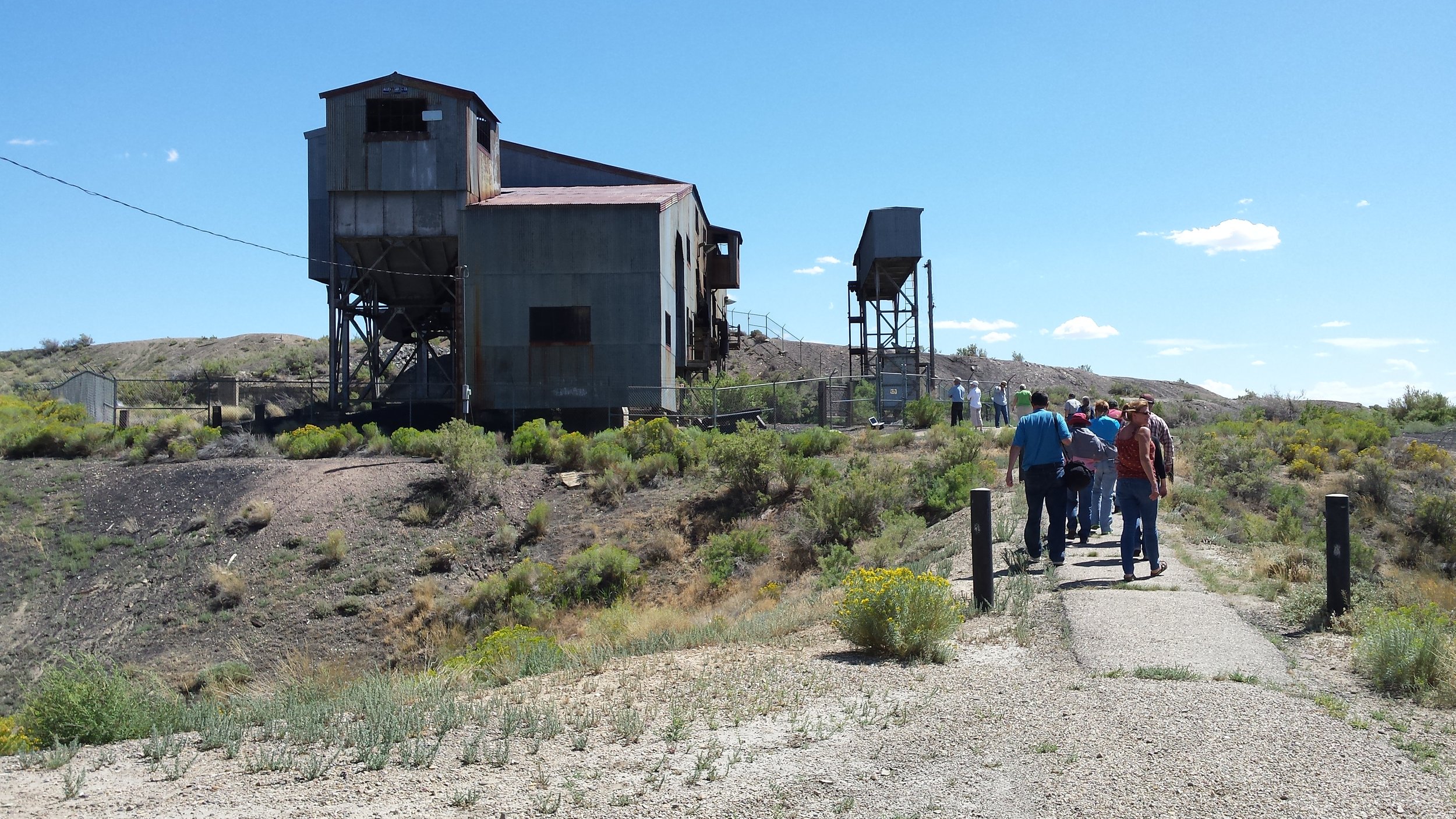
The “new” Reliance Tipple was built in 1936 to replace an earlier wooden tipple originally constructed in 1910.
The Hallville and nearby Black Butte Mines were both opened in 1869, the year after the Union Pacific was completed in the area. At its peak, 100 coal cars per week were loaded and brought out of the Hallville Mine.
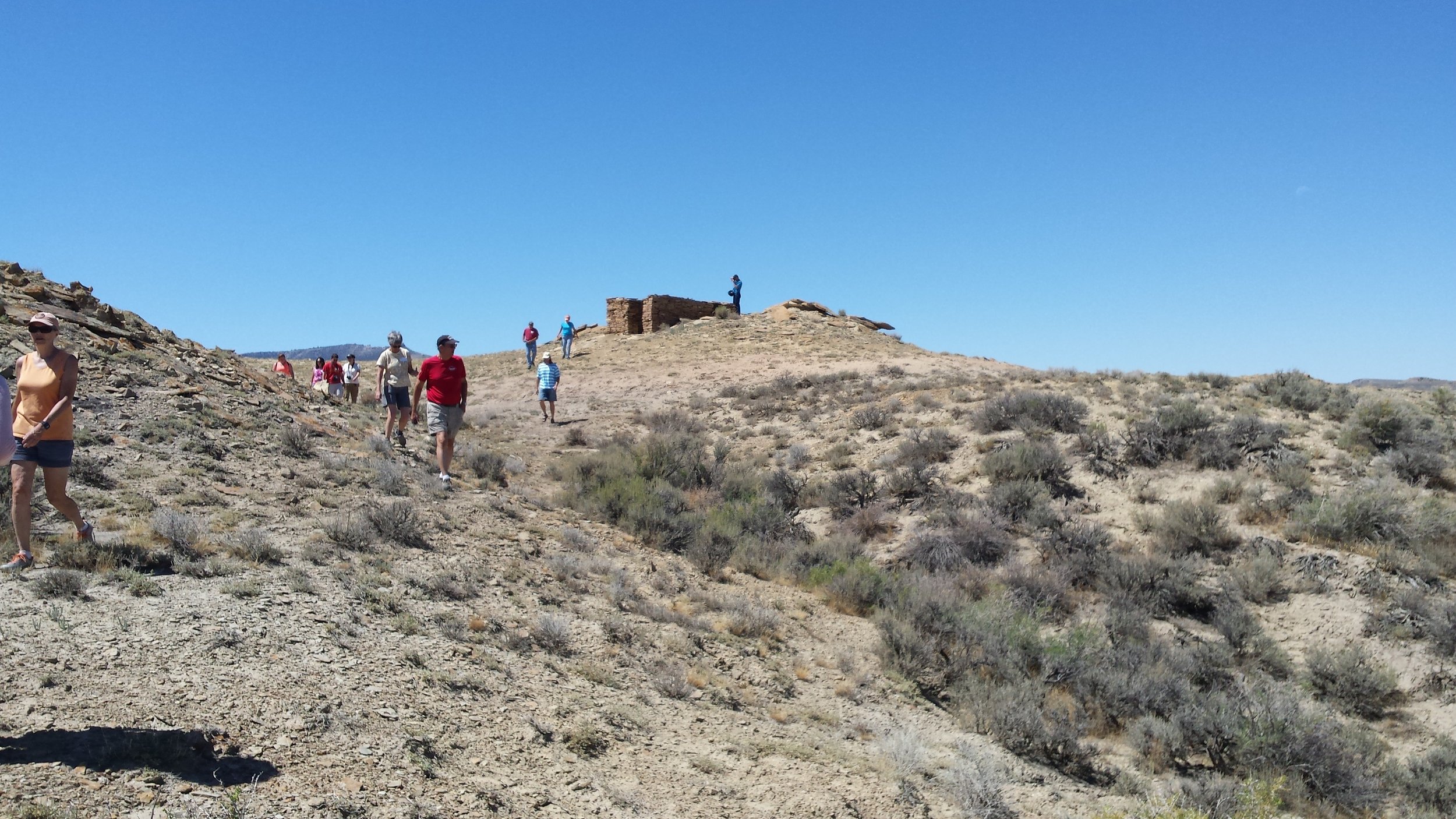
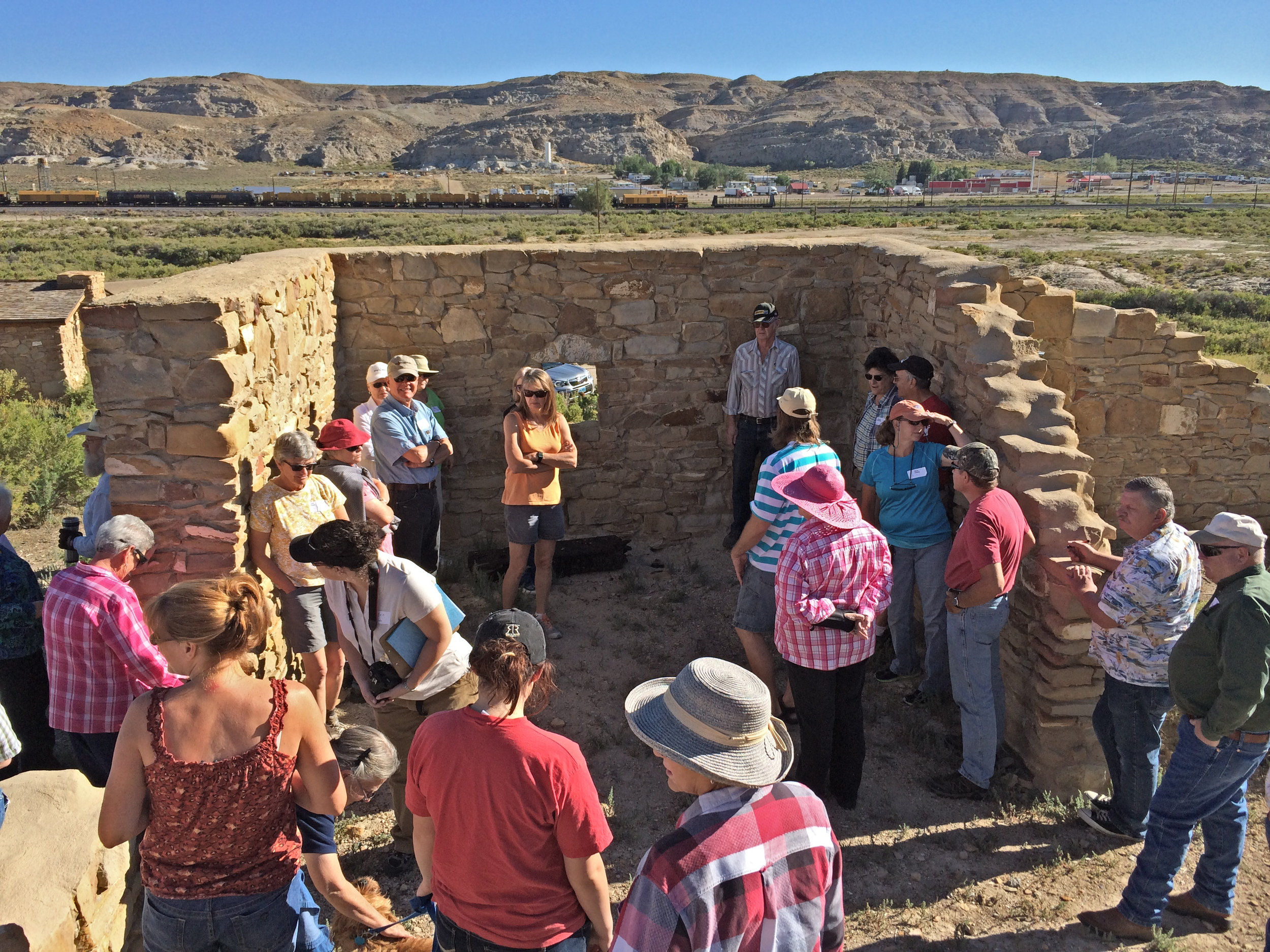
The Point of Rocks Stage Station, also known as Almond Station, was built in 1862 for Ben Holladay’s Overland Stage after Holladay moved his stage route from the popular Oregon Trail-South Pass route to the southern Overland Route.
While many Wyoming towns only have one train depot, Rock Springs has two historic depots, reflecting the importance of the railroad for the community and the surrounding area.
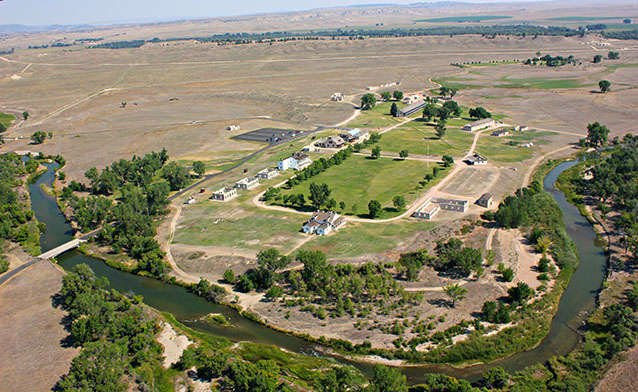
Old Bedlam was built in 1849, making it the oldest standing military building in Wyoming. Fort Laramie was established when the military came to the state to protect emigrants traveling on the Mormon, Oregon, and the Overland trail.
The Wyoming National Bank in downtown Casper celebrated its 50th anniversary in 1964 with a modern building complex unlike any in Wyoming. The bank was designed by Denver architect Charles Deaton, who also designed the so-called “Jetson House” west of Denver, which was featured in Woody Allen’s 1973 movie Sleeper.