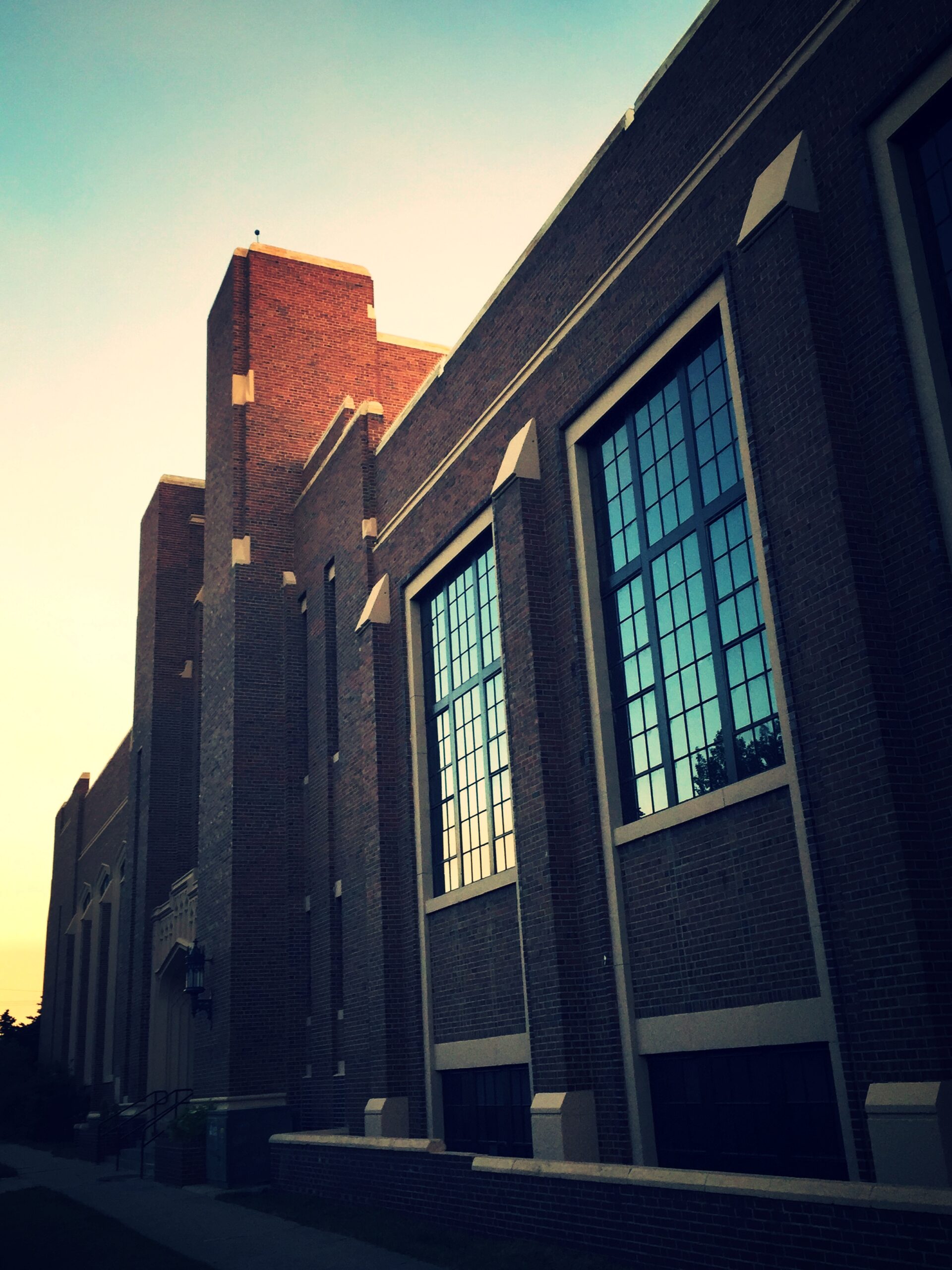
The Laramie Plains Civic Center is a terrific example of how former school buildings can be adaptively reused for the greater good of a community. Laramie will have to face this issue once more as the high school built in 1960 is now empty after the city built a brand new high school that opened in 2016.
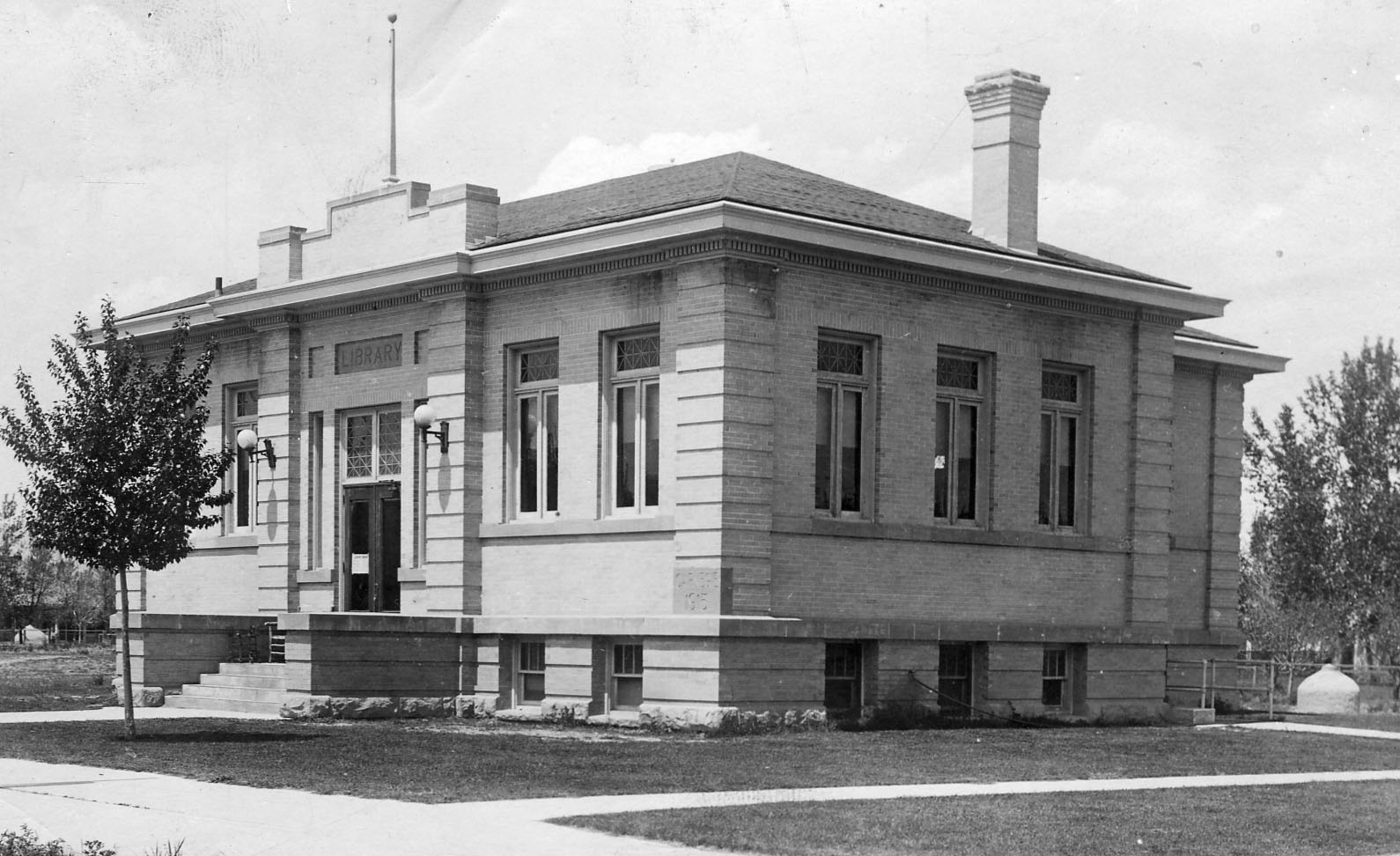
In 1911, Park County split from Big Horn County, and in 1914 the Park County commissioners appointed a board for a public library system. The city council immediately applied again for a Carnegie Public Library Building grant.
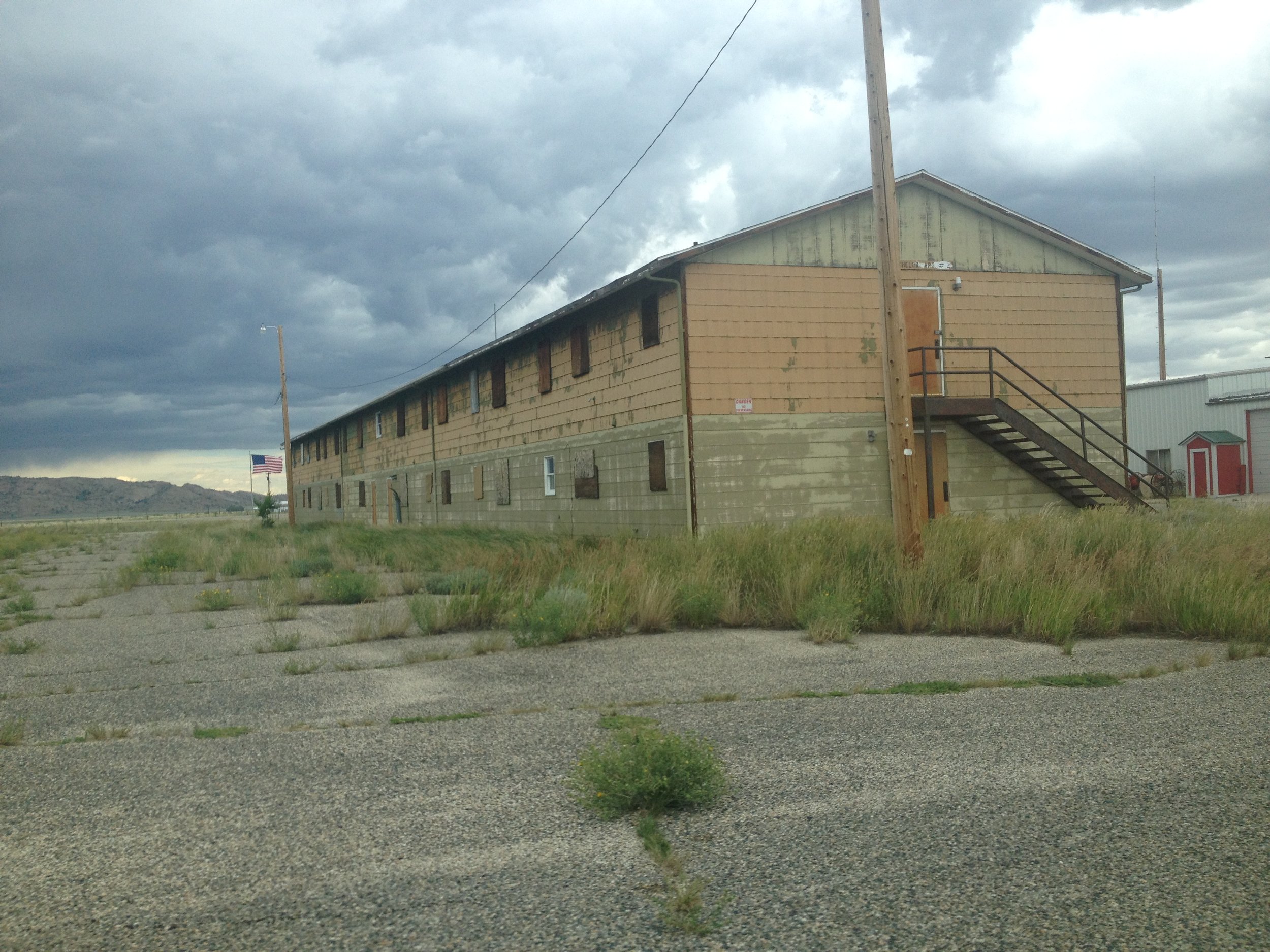
Officially closed on February 1, 1946, the Douglas, Wyoming prisoner of war camp that housed Italian and German P.O.W.’s during WWII represents an interesting chapter in the history of our state.
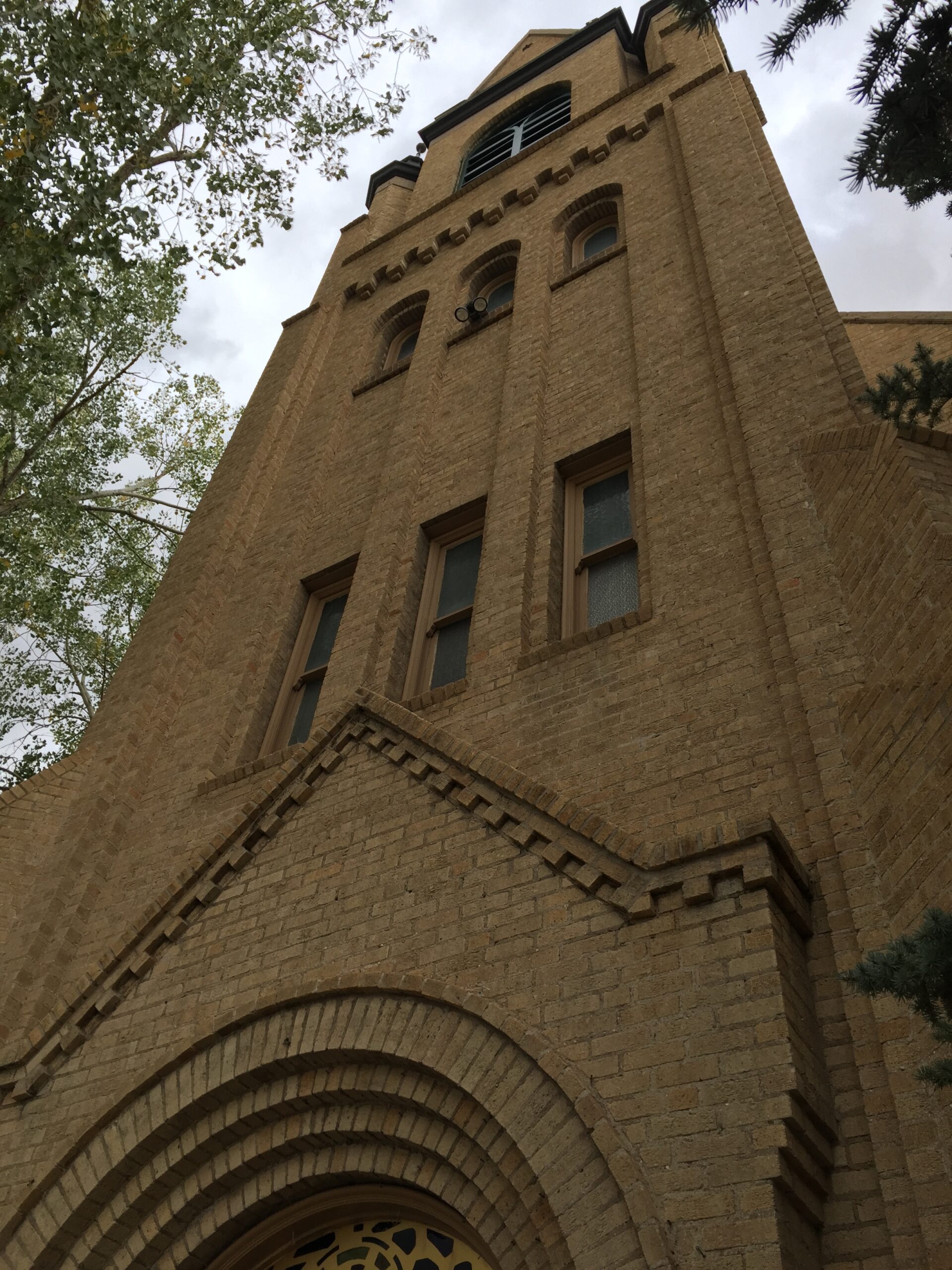
Within the city of Rock Springs stands the grandiose Saints Cyril and Methodius Catholic Church that was officially listed on the National Register of Historic Places on December 22nd, 2015. With its Romanesque architecture and a 125-feet bell tower, the Church looms over the southwestern Wyoming town.
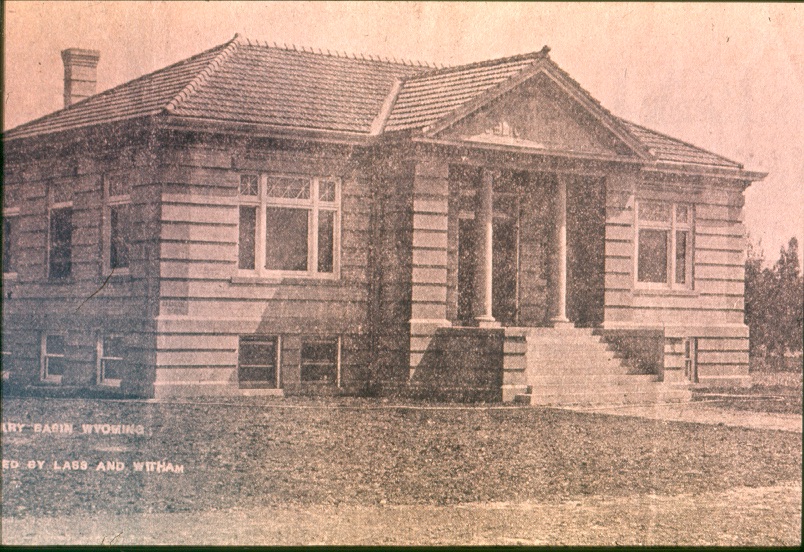
The Big Horn County Library was created in 1907 by the Book Lovers’ Club, an organization created by a group of women in Basin in 1906.
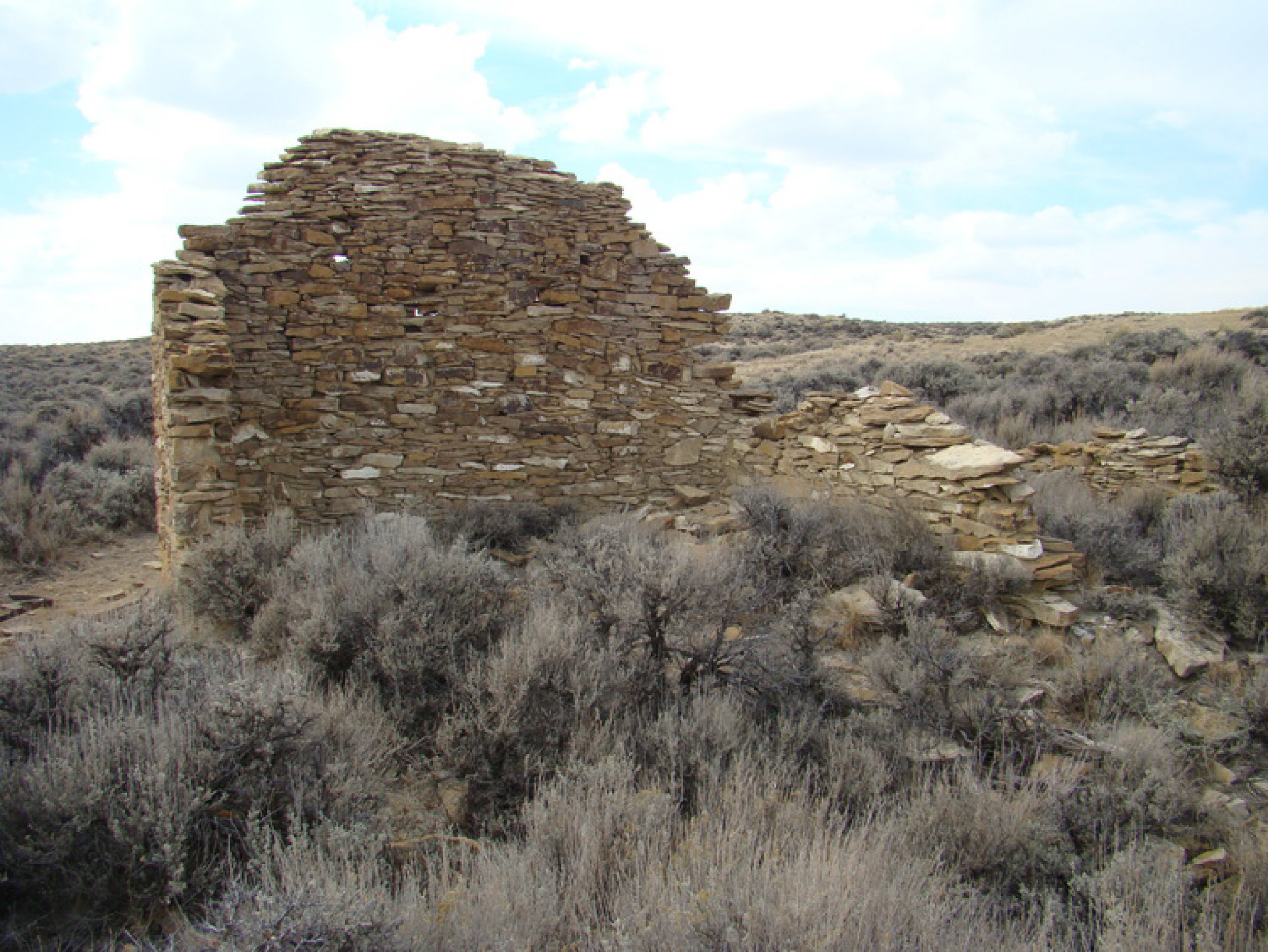
Jeffrey City did not begin as a mining town. The town originally sprang up in the early 1930s when Beulah Peterson Walker and her husband moved to the area from Nebraska and homesteaded in the area.
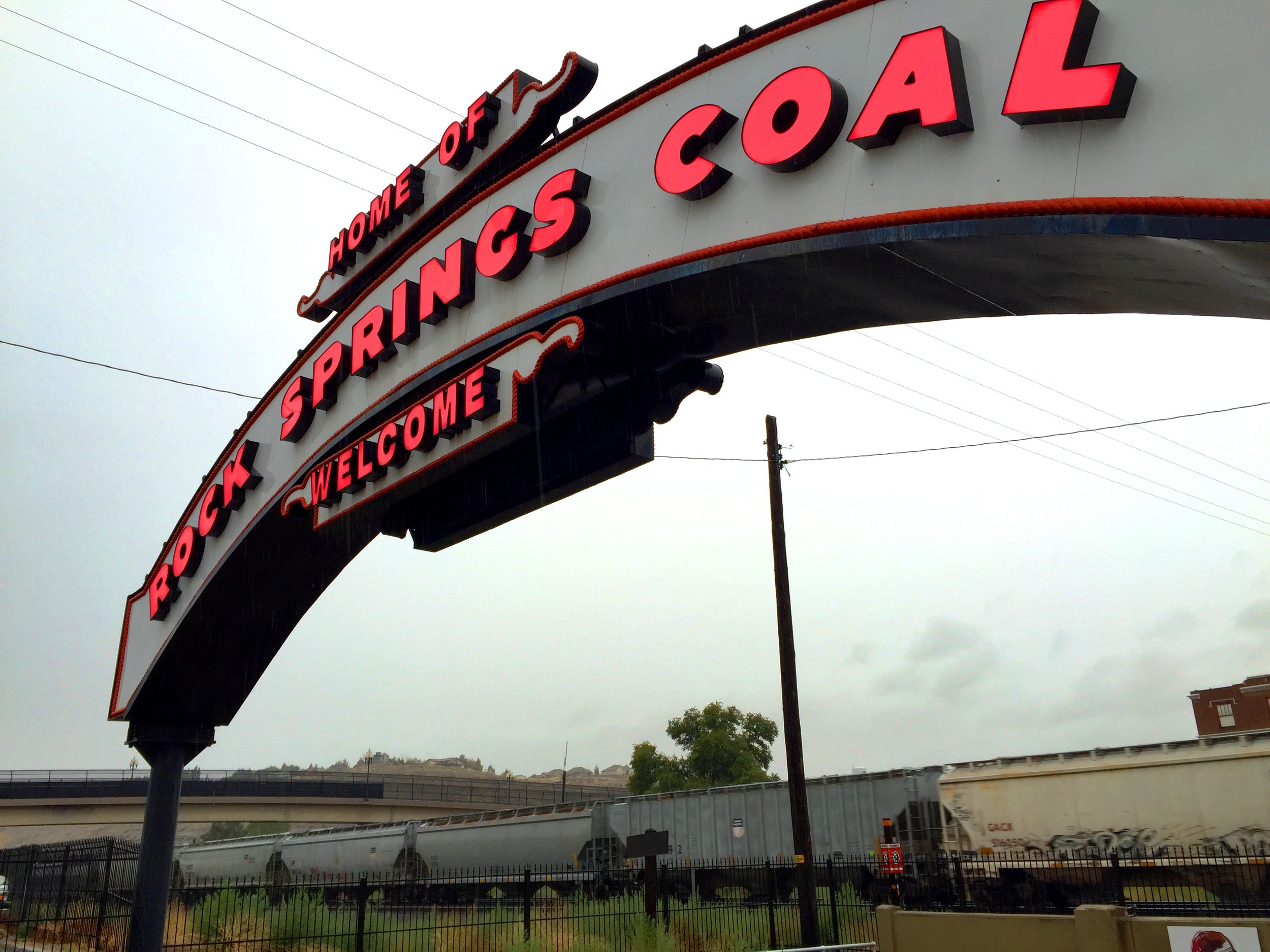
The Rock Springs Coal sign was originally constructed in 1929 by the Wyoming Coal Operators. The welcome sign arched over the Lincoln Highway to greet travelers as they came through town.
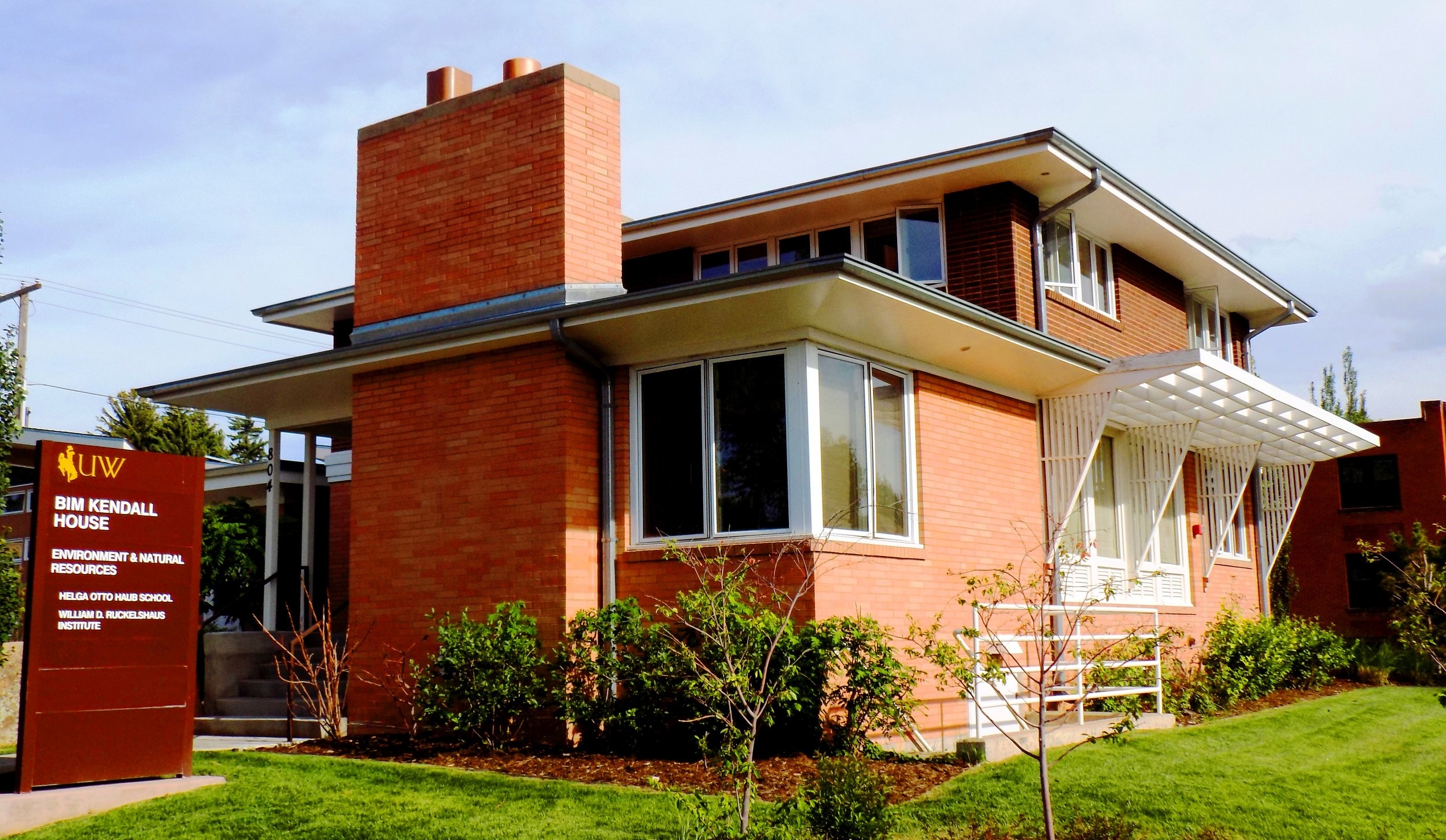
The Bim Kendall House in Laramie is home to the University of Wyoming’s Haub School of Environment and Natural Resources. The house was built in 1954 by prominent Laramie architects Eliot and Clinton Hitchcock.
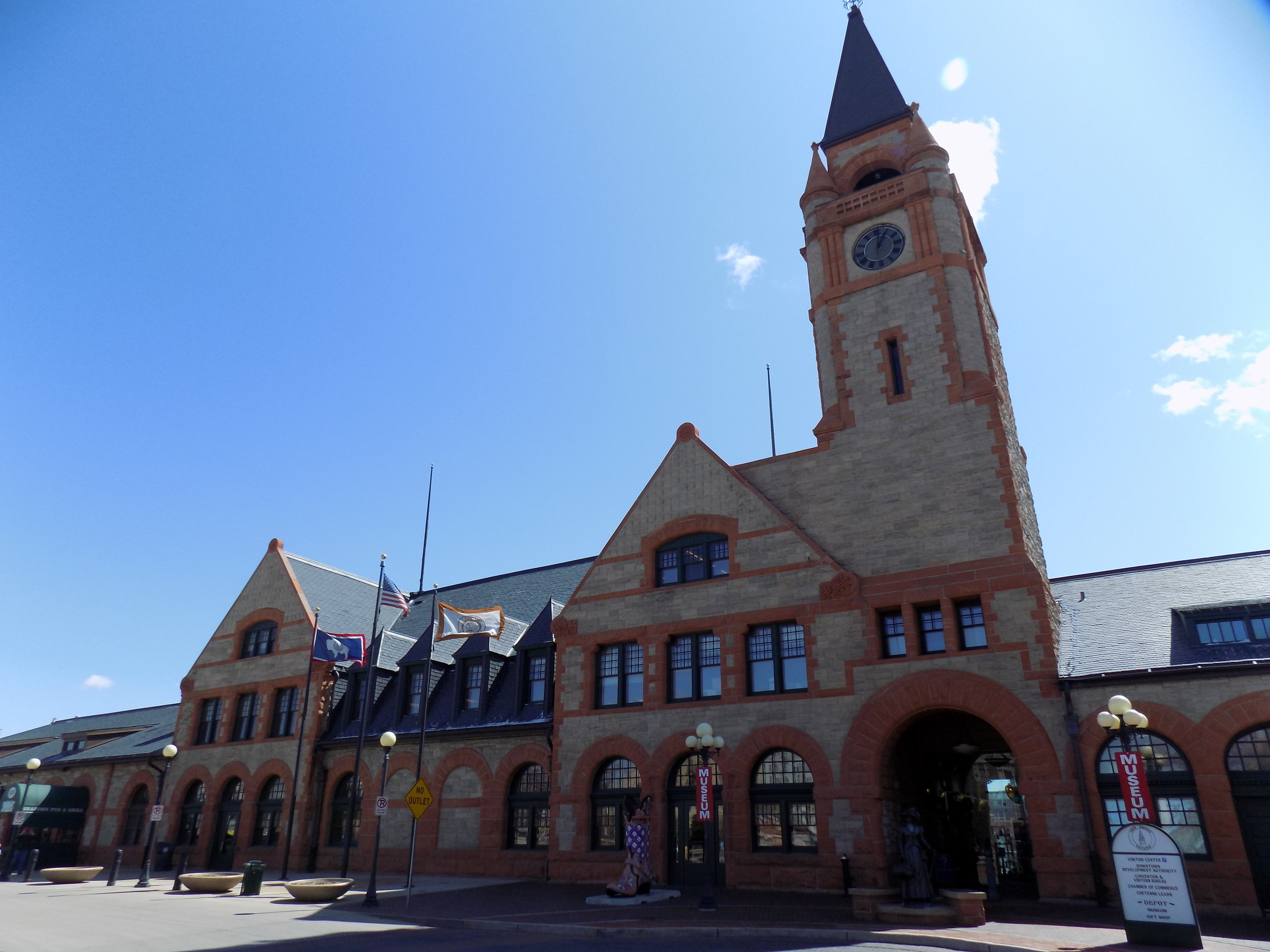
In order to make the Cheyenne depot stand out, the Union Pacific turned to prominent architect Henry Van Brunt who was nationally-known for his institutional buildings designed in the Richardsonian Romanesque style that was popular during the late 19th Century.
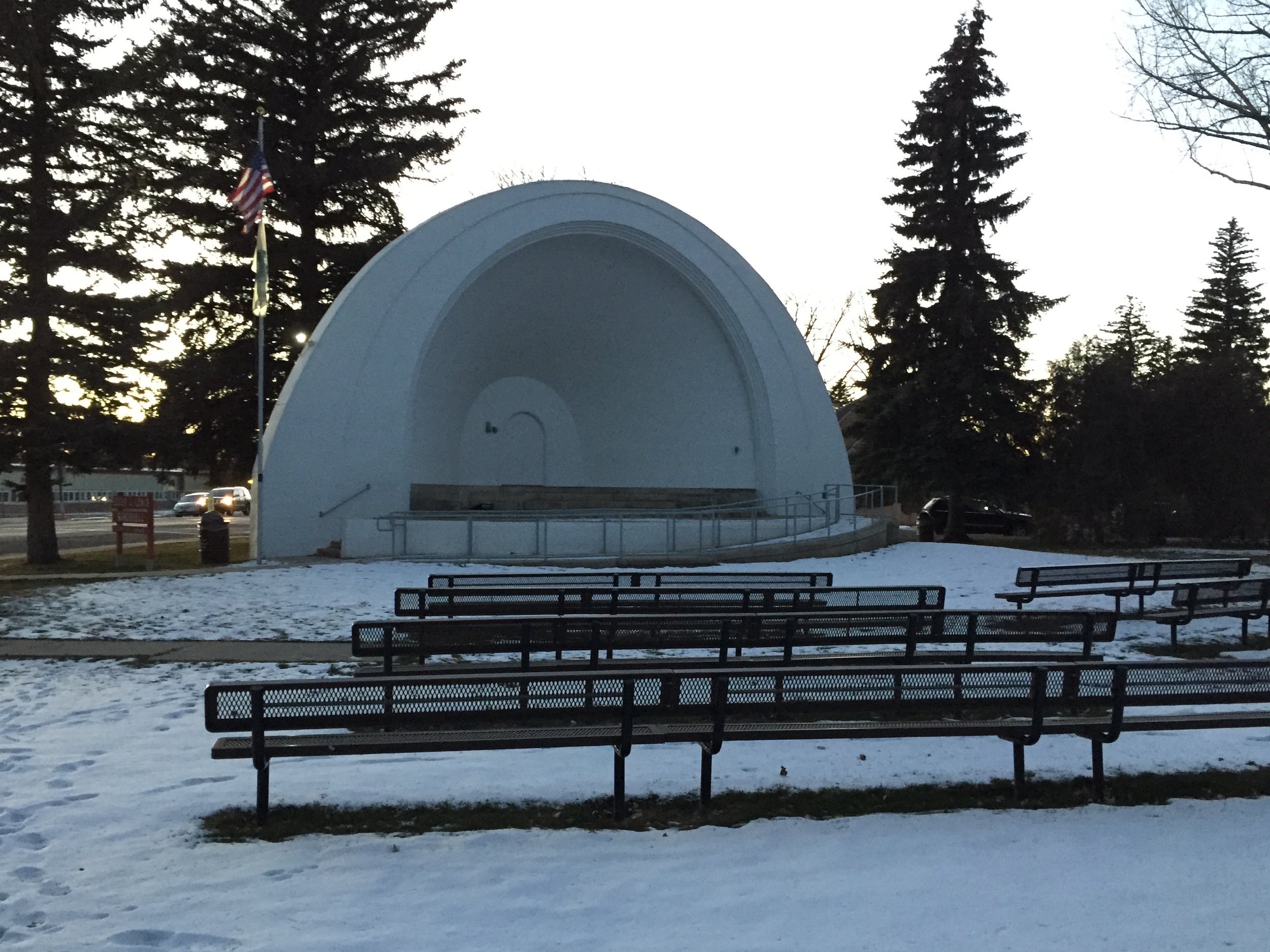
The bandshell in Laramie is one of thousands of public works projects that were completed as a result of the Works Progress Administration. Communities across America are dotted with buildings and parks that came from Roosevelt’s New Deal.
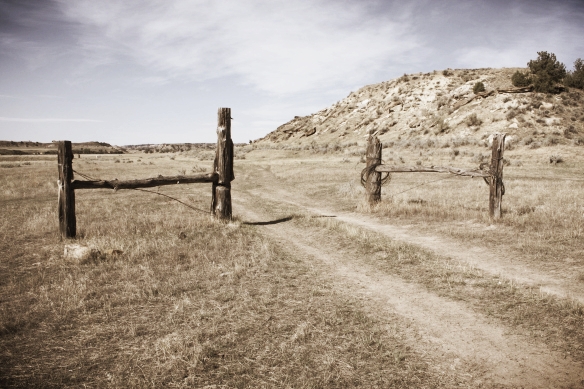
Located in northeast Wyoming along the Powder River, the LX Bar joins a long list of historic ranches that tell the story of the early cattle industry in the state of Wyoming.
Carbon was founded in 1868 along the Union Pacific railroad and was named for the resource that was mined in the area: coal.
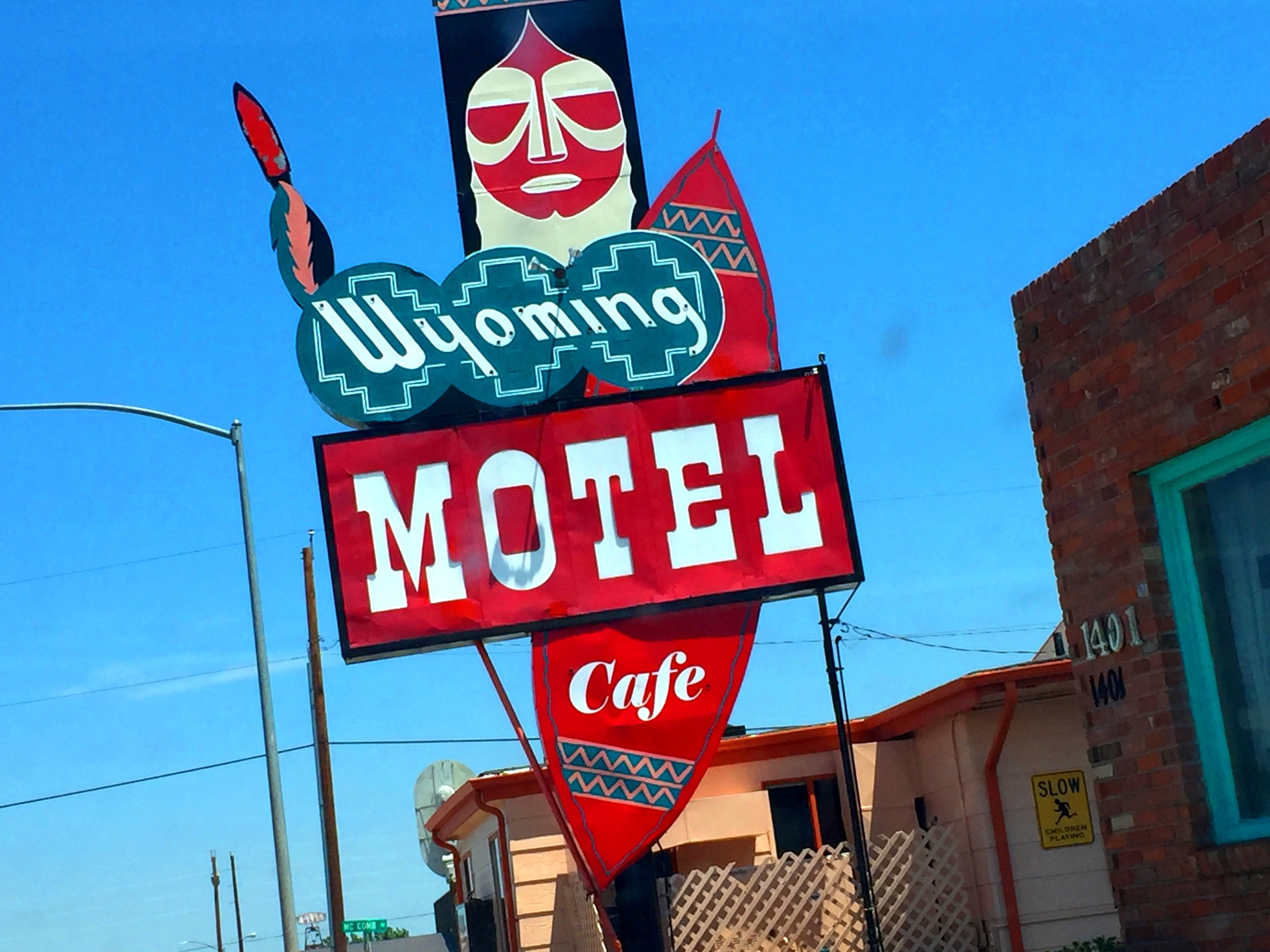
The Wyoming Motel in Cheyenne was one of the many motels that sprung up in the heyday of long distance automobile travel. The motel was built in 1936, making it Cheyenne institution for the last 80 years.
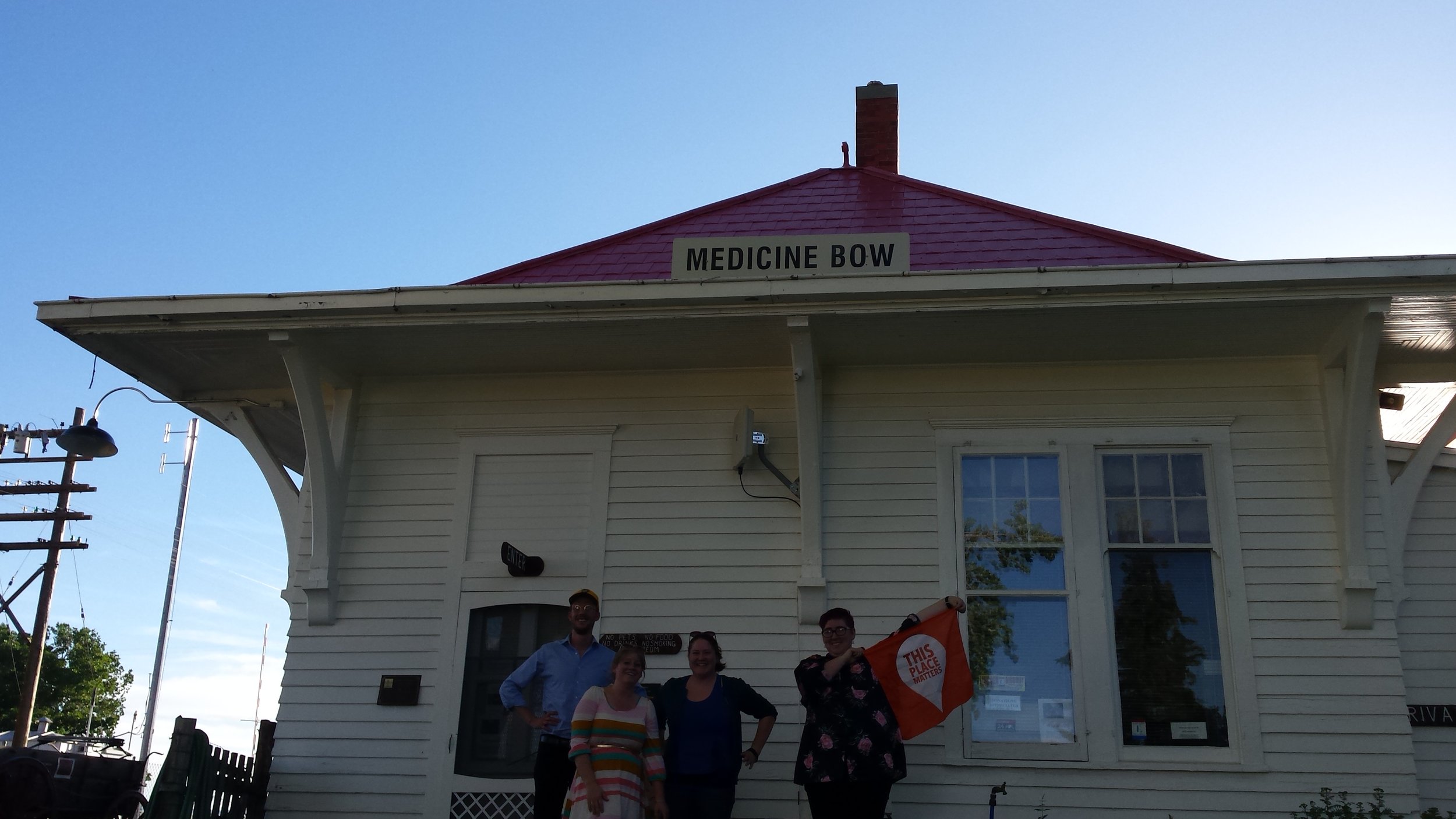
The depot in Medicine Bow stands out in the small town with its bright red roof. It speaks to a time early in the state’s history before the Lincoln Highway and the Interstate highway system when train travel was still the best way to get from destination to destination.
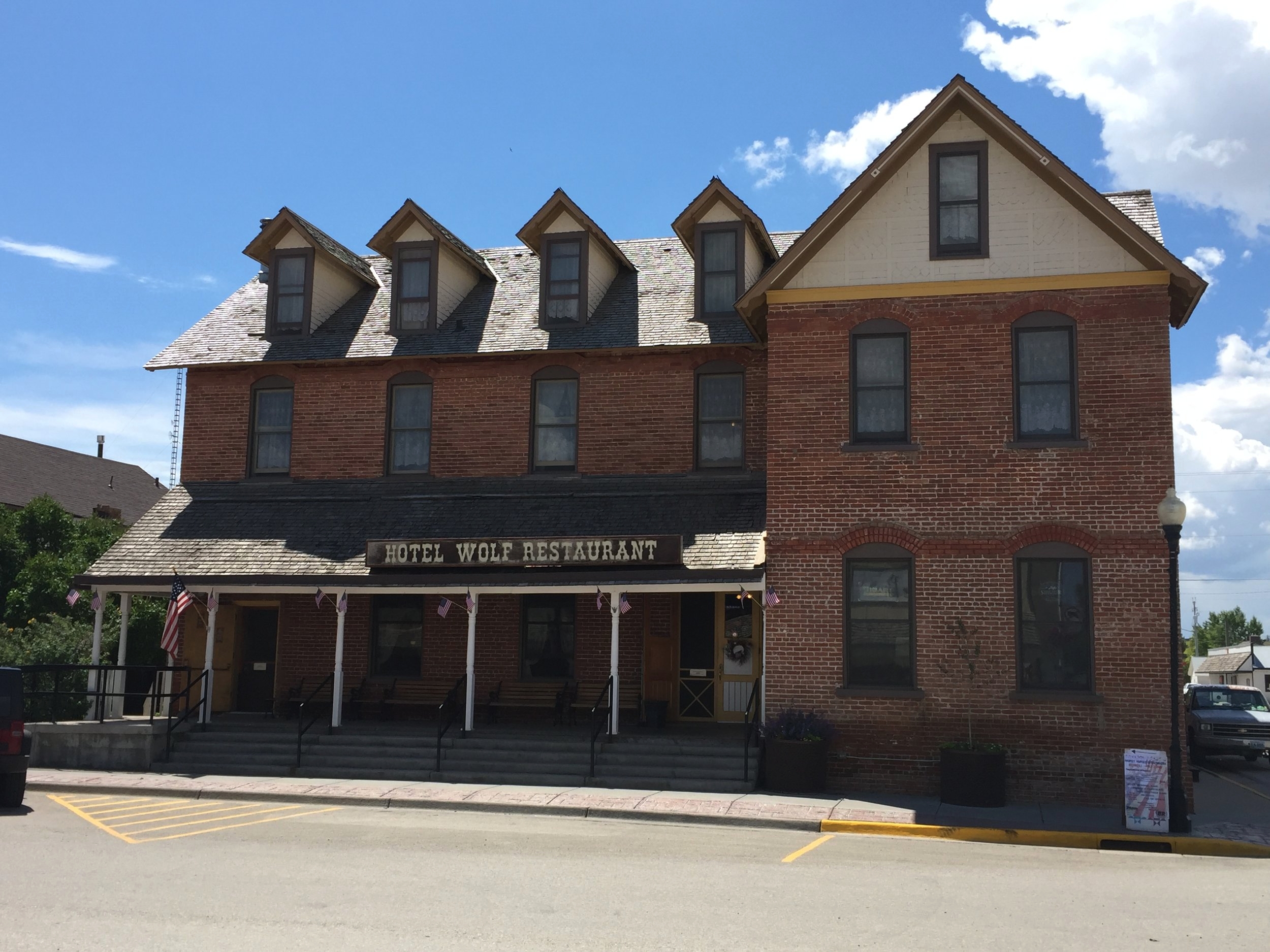
In a way, the the Wolf Hotel in Saratoga owes its existence to a particular case of rheumatism. Now it has become a feature of Carbon County.
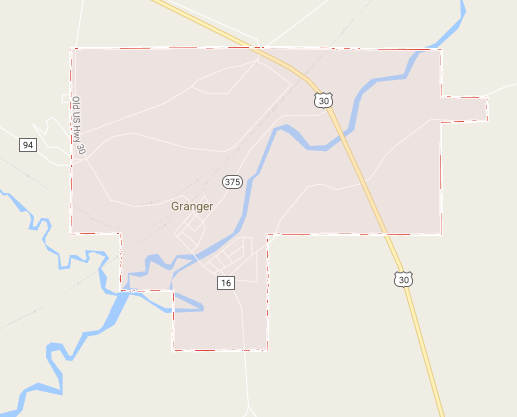
The town of Granger is currently in the process of converting their former school into a community center.
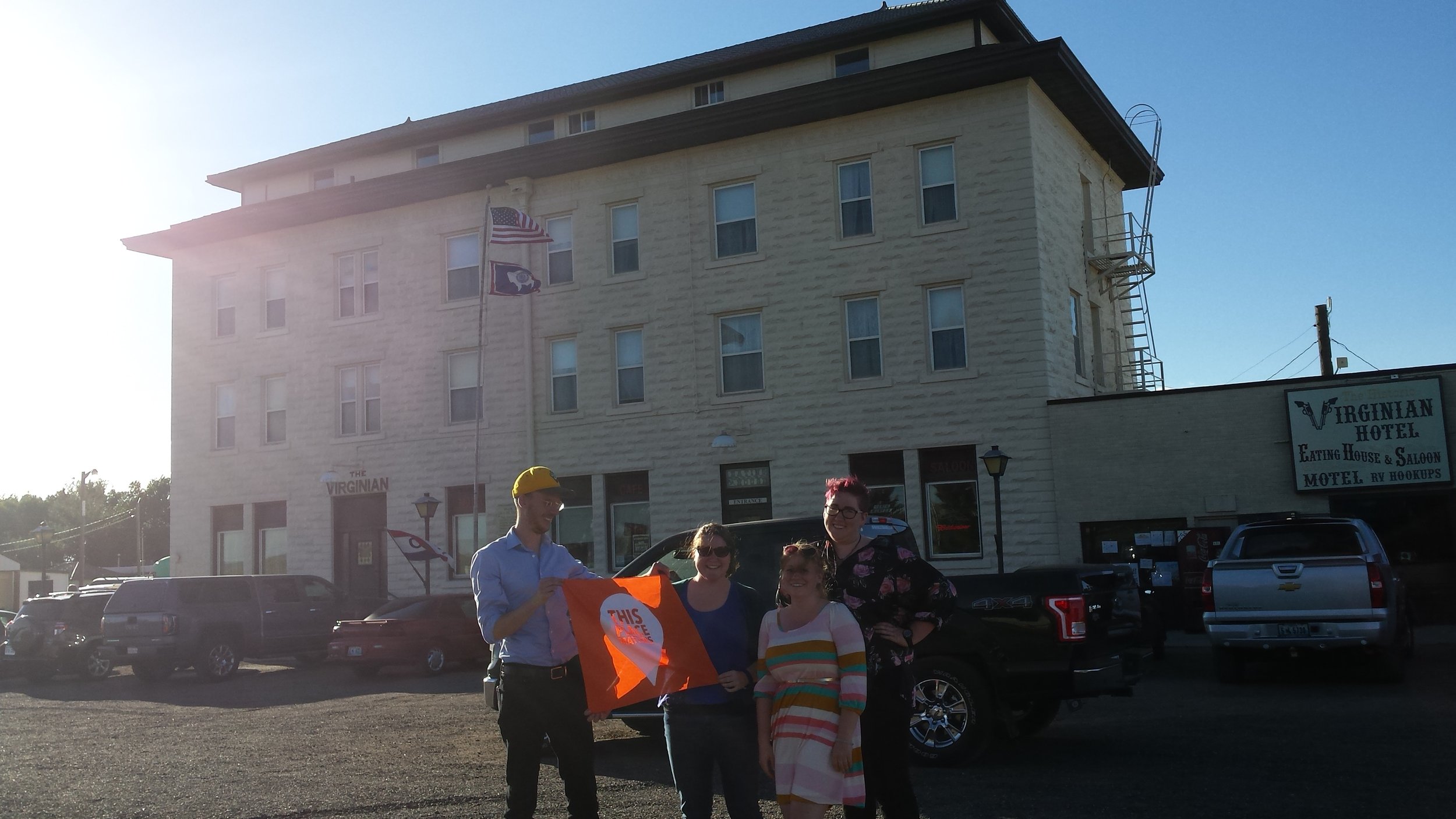
The Lincoln Highway was notorious for attracting unique landmarks to draw in business from travelers. One such place on the Lincoln Highway, now Highway 30, is a monolithic, three-story stone building – the Virginian Hotel.
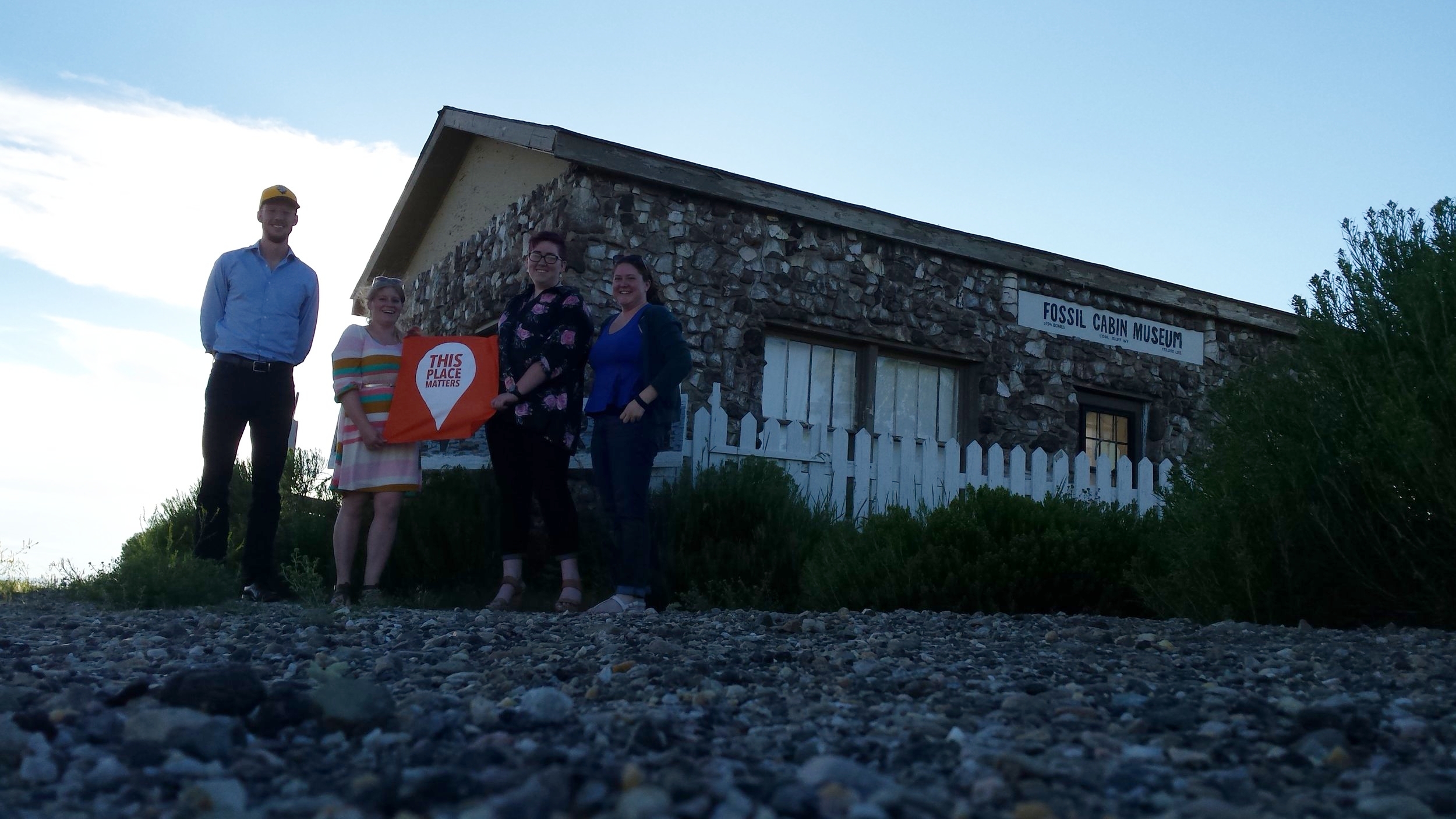
The Fossil Cabin Museum on Highway 30, Wyoming was built in 1932, but its materials are much older. The cabin is constructed entirely out of dinosaur fossils.
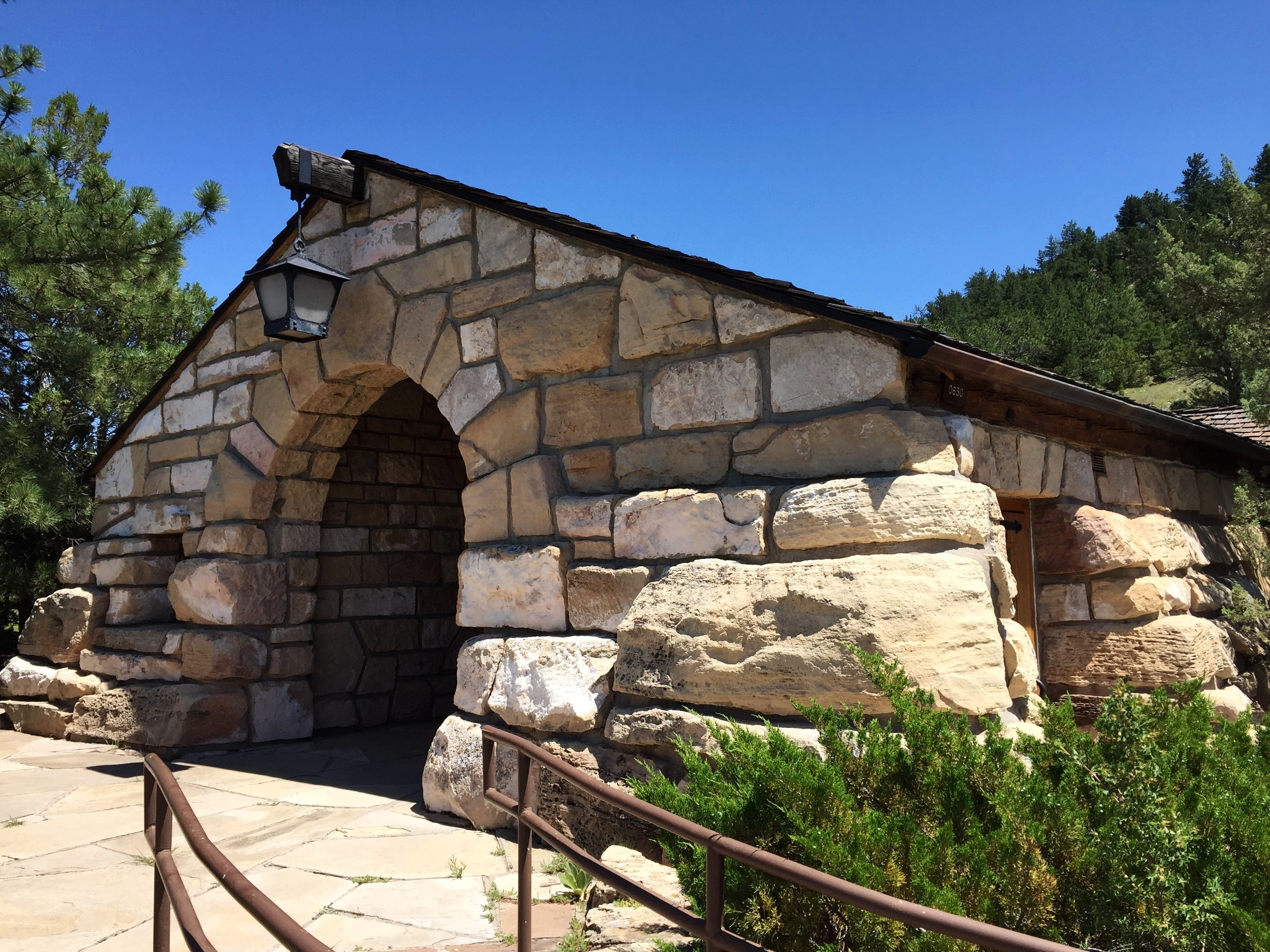
The castle-like structure that sits atop a cliff overlooking the Guernsey reservoir was a Civilian Conservation Corps project initiated during the Great Depression.
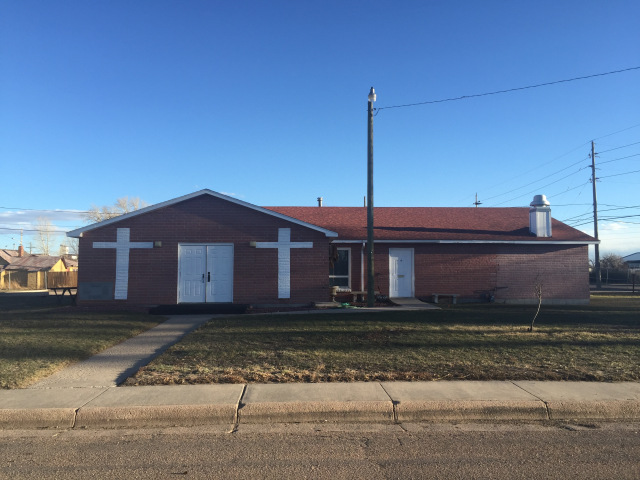
While the Allen Chapel African Methodist Episcopal Church has not been in one location for its entire lifetime, its congregation and presence in the community have been an important part of Cheyenne since it was established in 1878.
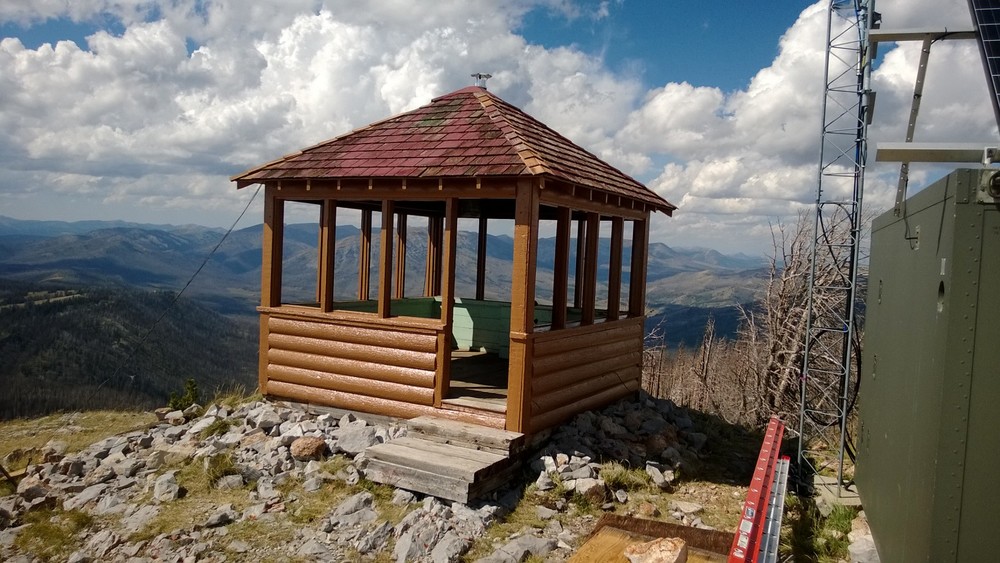
Our relationship with fire goes way back, but we are still engaged in a constant negotiation with the flame to this day. Fire lookout towers stand as beacons in the everlasting conversation between natural processes and human interests.